Arquivo do autor shaohai

Trocador de calor com recuperação de calor para ventilação de criação de gado e aves

The energy recovery ventilation heat exchanger in livestock and poultry breeding houses is of great significance for modern animal husbandry. Mainly based on heat exchange technology, the fresh air entering the breeding house is preheated by recovering the heat from the discharged air, thereby achieving effective energy utilization and conservation. It has significant advantages in improving air quality, energy conservation and environmental protection, and enhancing comfort.


working principle
Energy transfer: The ventilation heat exchanger exchanges heat between the warm and humid air discharged and the fresh and cold air entering through its internal heat exchange core. In this process, the heat emitted from the air is transferred to fresh air, which is preheated before entering the livestock and poultry house.
Preventing cross contamination: Fresh air and exhaust air are strictly separated in the heat exchanger to avoid the transmission of any odors and moisture, ensuring the cleanliness of the fresh air.
Technical advantages

  1. By recycling the heat emitted from the air, the ventilation heat exchanger significantly reduces the energy consumption required for heating, achieving energy conservation and consumption reduction. This energy-saving effect is of great significance for reducing feeding costs.
  2. Improving air quality: Ventilation heat exchangers can not only recover heat, but also discharge polluted air and moisture from the house, improve the air environment of livestock and poultry houses, and reduce the concentration of harmful gases.
  3. Strong adaptability: Whether in cold winter or hot summer, ventilation heat exchangers can adjust the temperature and humidity of fresh air as needed, providing a comfortable living environment for livestock and poultry.

application area
Livestock and poultry farms: Ventilation heat exchangers are widely used in various livestock and poultry farms such as pig houses, chicken houses, and cattle houses, providing a suitable temperature and good air quality living environment for livestock and poultry.
Livestock related places: In addition to livestock and poultry breeding sites, ventilation heat exchangers can also be used for temperature and humidity control in livestock related places such as feed processing workshops and dairy production workshops.

Tecnologia de ventilação com recuperação total de calor para sistema de ar fresco de decoração residencial

O sistema de ar fresco é um equipamento de tratamento de ar comum em residências e edifícios comerciais modernos, capaz de fornecer um suprimento contínuo de ar fresco e eliminar o ar poluído interno. A eficiência da recuperação de calor é um indicador fundamental no sistema de ar fresco, e uma alta eficiência significa que o sistema pode recuperar energia com mais eficácia durante o processo de ventilação, reduzindo assim o consumo de energia. A tecnologia de troca total de calor permite recuperar calor e umidade durante a ventilação, reduzindo as perdas de energia causadas pela ventilação e alcançando a conservação e a redução do consumo de energia.

Total heat recovery ventilation technology
Recuperação total de calor refere-se ao processo no qual um sistema de ar fresco, ao introduzir ar fresco externo, recupera o calor e a umidade do ar interno descarregado por meio de um trocador de calor para aquecer ou resfriar o ar fresco que entra. Um trocador de calor total é um dispositivo de economia de energia em um sistema de ar fresco que pode trocar calor e umidade sem misturar ar fresco e ar de exaustão.
A aplicação da tecnologia de troca total de calor não só reduz a dependência de equipamentos de ar condicionado e aquecimento, como também reduz o consumo geral de energia, em linha com o conceito de desenvolvimento sustentável. A escolha de um sistema de ar fresco adequado pode não só melhorar o conforto de vida, como também atingir os objetivos de conservação de energia, redução de emissões e neutralidade de carbono.

Total Heat Exchanger for Underground Parking Lots Ventilation

The total heat exchanger of the fresh air ventilation fan in underground parking lots is a key equipment used to improve the air quality of underground parking lots. It plays an important role in improving the air quality of underground parking lots, ensuring the health of personnel, and saving energy.
working principle
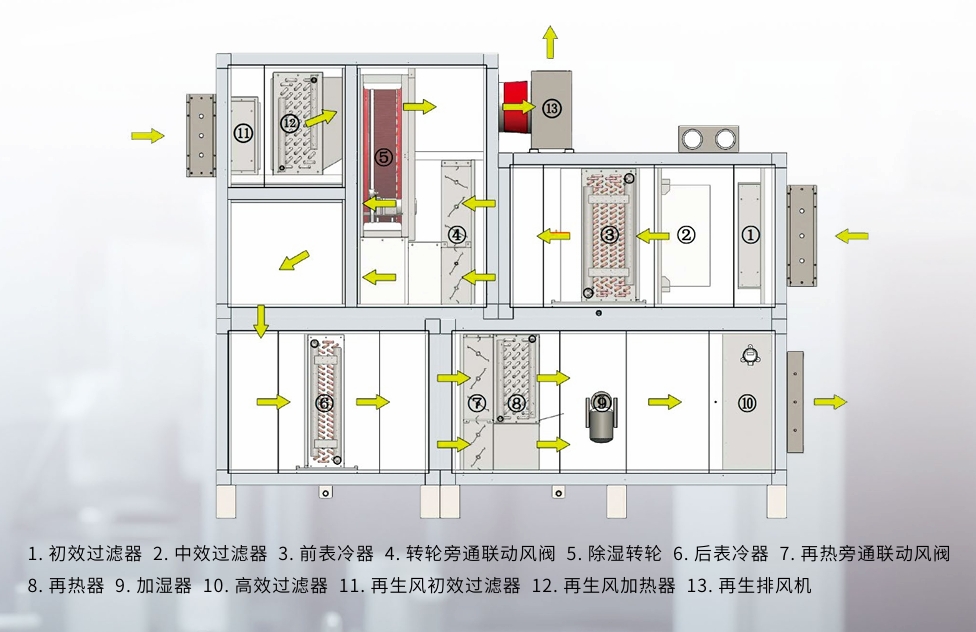
Underground parking lot fresh air centrifugal duct fans and total heat exchangers are usually used in combination to achieve efficient air exchange and temperature control.
The fresh air system introduces fresh outdoor air into the underground parking lot through pipelines, while also expelling polluted indoor air. The total heat exchanger exchanges heat between the fresh air and the exhaust air, recovers the heat from the exhaust air, and uses it to preheat or pre cool the fresh air, thereby improving energy utilization efficiency.
Functional Features
Efficient ventilation: It can quickly and effectively update the air in underground parking lots and maintain indoor air quality.
Energy saving and consumption reducing: The total heat exchanger reduces the energy consumption required for fresh air treatment and lowers operating costs by recovering heat from exhaust air.
High air volume design: Suitable for the large space and high air volume requirements of underground parking lots, ensuring effective air circulation.
Cenários de aplicação
Underground parking lot: mainly used for ventilation and temperature control in multi-level underground parking lots.
Other enclosed spaces: also applicable to other enclosed spaces that require efficient ventilation and energy conservation, such as shopping malls, hotels, offices, etc.

Equipamento de recuperação de calor por trocador de calor para secagem de crisântemos e madressilvas

princípio de funcionamento:
During the drying process of chrysanthemums and honeysuckle, the high-temperature moisture (exhaust) generated is transferred to the fresh air entering the system through the heat exchange core. In this way, the fresh air is preheated before entering the drying area, thereby reducing the energy consumption required to heat the fresh air.
Características estruturais:
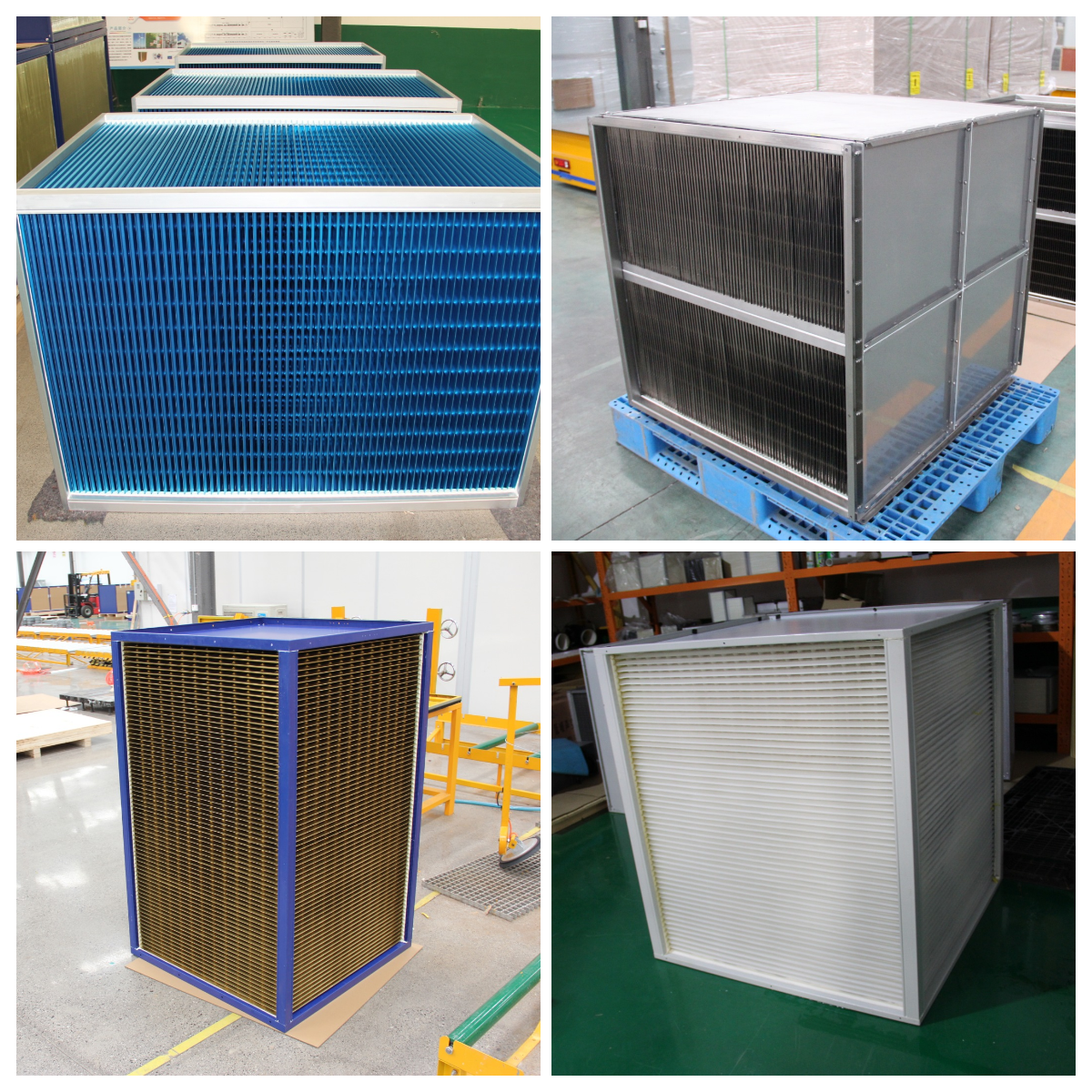
High quality hydrophilic aluminum foil is usually used as a heat transfer conductor, which has good heat transfer efficiency and a long service life (generally up to 8-10 years)
The channels for fresh air and exhaust air are arranged in a cross pattern, separated by aluminum foil to ensure the cleanliness of the fresh air and avoid the transmission of any odors and moisture.
All connections are sealed with sealant and treated with biting edge flow adhesive to ensure the airtightness of the heat exchanger.
Vantagens de desempenho:
The heat exchange efficiency is as high as 90%, which can significantly reduce energy consumption.
Estrutura compacta, pequeno volume, adequada para instalação e uso em diversas ocasiões.
Fácil de manter, fácil de limpar, pode ser limpo diretamente com água da torneira ou detergente neutro.

Trocador de calor de ventilação para área de processamento de vegetais em baixa temperatura e área de triagem de supermercados

Na área de processamento de vegetais em baixa temperatura, a principal função do trocador de calor com ventilação é garantir que a temperatura do ambiente de processamento seja adequada para manter o frescor e a qualidade dos vegetais. Os trocadores de calor com ventilação utilizam tecnologia eficiente de troca de calor para dissipar o calor interno enquanto introduzem ar frio externo ou ar resfriado para um controle eficaz da temperatura.
Além disso, o trocador de calor com ventilação na área de processamento de vegetais de baixa temperatura também precisa considerar o controle da umidade, pois o excesso de umidade pode causar apodrecimento dos vegetais. Portanto, alguns trocadores de calor com ventilação também são equipados com funções de regulação de umidade para garantir que a umidade no ambiente de processamento permaneça dentro de uma faixa adequada.
A área de triagem de um supermercado ou shopping é responsável pela triagem, embalagem e entrega de mercadorias. A principal função do trocador de calor com ventilação nesta área é fornecer ar fresco e remover o ar turvo e o excesso de calor do ambiente interno.
O trocador de calor ventilado na área de triagem de supermercados geralmente possui um grande volume de ar e um desempenho eficiente de troca de calor para atender às necessidades de grandes espaços e alto fluxo de pedestres. Ao mesmo tempo, também precisa ter características de fácil manutenção e limpeza para garantir uma operação estável a longo prazo.
Seja uma área de processamento de vegetais de baixa temperatura ou uma área de triagem de supermercado, os trocadores de calor com ventilação são equipamentos indispensáveis e importantes. Eles proporcionam um ambiente de trabalho confortável e saudável para essas áreas por meio de ar condicionado e controle de temperatura eficientes, o que ajuda a melhorar a eficiência da produção e a qualidade do produto.
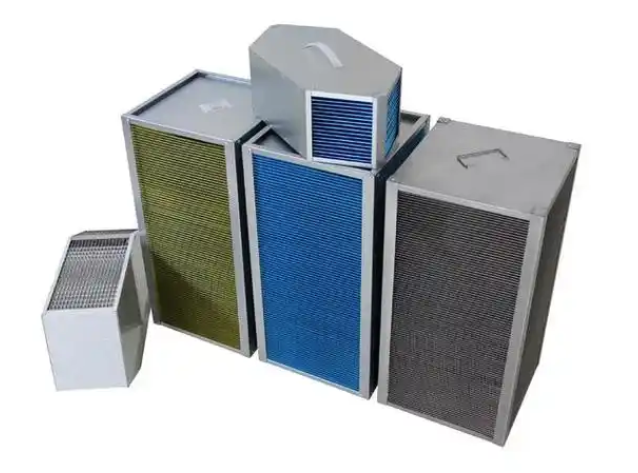
Nosso trocador de calor de placas contracorrente cruzada é feito de folha de alumínio hidrofílico de alta qualidade, folha de alumínio de resina epóxi, aço inoxidável, policarbonato e outros materiais. O ar flui parcialmente em fluxo cruzado e parcialmente em fluxo relativo para evitar a transmissão de odores e umidade. Aplicado à recuperação de energia em sistemas de ventilação civil e comercial, bem como em sistemas de ventilação industrial. Rápida condução de calor, sem poluição secundária, bom efeito de transferência de calor.

Waste heat recovery plate heat exchanger for grain drying

Grain drying is an important step in ensuring safe storage and reducing losses, and the drying heat exchanger plays a crucial role in this process. The grain drying heat exchanger can quickly complete the grain drying process and improve production efficiency through an efficient heat transfer mechanism. Meanwhile, adopting waste heat recovery technology can significantly reduce energy consumption, lower production costs, and reduce carbon emissions, which contributes to environmental protection.
structure type
Tube and tube heat exchanger: Tube and tube heat exchangers, also known as shell and tube heat exchangers, have a simple structure, low manufacturing difficulty, and are easy to clean and maintain. During the process of grain drying, high-temperature flue gas generated by burning coal or other fuels is used as the heat medium.
Plate heat exchanger: Plate heat exchangers are widely used in grain drying due to their simple structure and low manufacturing cost.
working principle
Waste heat recovery: During the drying process of grain, a large amount of heat is generated. The waste heat recovery system improves energy efficiency by collecting this waste heat and transferring it to new dry air.
Preheating air: Some advanced grain drying systems utilize waste heat recovery technology to preheat fresh air, further improving drying efficiency.
Application scope
Plate heat exchangers are suitable for various sizes and types of grain drying equipment, whether it is corn drying towers in large grain storage and logistics centers or grain dryers in small farms.

Trocador de calor de placas para recuperação de calor residual na termofixação têxtil

During the heat setting process of textiles, a large amount of waste heat energy is usually generated. In order to effectively utilize this waste heat energy, a plate aluminum foil heat exchanger can be used for recycling.
The working principle is as follows:
Plate heat exchanger is an efficient heat exchange device commonly used to transfer heat between two fluids. In the textile heat setting machine, the plate heat exchanger can be placed at the hot air discharge port or flue gas discharge port of the heat setting machine. During the process of contact with the plate, the hot air or flue gas transfers heat to the recovery medium. After absorbing the residual heat energy from hot air or flue gas, the recycling medium can be used to heat water or other fluids for preheating, heating, or other thermal energy requirements in the textile process.
By using plate heat exchangers, textile heat setting machines can recover the waste heat energy from the discharged hot air or flue gas, reduce energy consumption, and improve energy utilization efficiency. This helps to reduce production costs, minimize environmental pollution, and contribute to the sustainable development of the textile industry.

Núcleo de recuperação de calor residual para granulação e secagem de caldeiras a gás.

princípio de funcionamento:
O núcleo de recuperação de calor residual da granulação e secagem de caldeiras a gás alcança uma troca de calor eficiente através da circulação de fluido de trabalho com mudança de fase gás-líquido em um tubo fechado. O gás de exaustão e o ar fresco (ou ar que precisa ser aquecido) trocam calor através do núcleo de troca de calor do trocador de calor de placas, e o calor do gás de exaustão é transferido para o ar fresco através do núcleo de troca de calor, fazendo com que a temperatura do ar fresco aumente.
Áreas de aplicação:
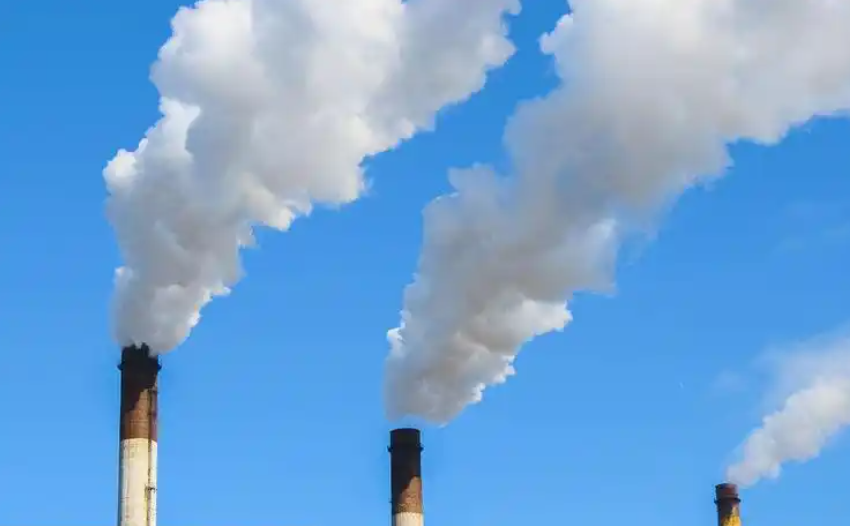
Este sistema é amplamente utilizado em indústrias como cerâmica, fertilizantes, produtos químicos, ração animal, purificadores de água e materiais de construção, sendo adequado para situações que requerem ar de combustão ou gases de processo em alta temperatura. Por exemplo, ao utilizar um sistema de recuperação de calor residual para recuperar o calor residual dos gases de combustão em alta temperatura provenientes do resfriador circular, a eficiência energética do processo produtivo pode ser melhorada e o consumo de energia reduzido.
Em resumo, o núcleo de recuperação de calor residual da granulação e secagem de caldeiras a gás permite a recuperação e reutilização do calor residual dos gases de escape por meio de um mecanismo eficiente de transferência de calor, reduzindo custos de produção, melhorando a eficiência do uso de energia e diminuindo a poluição ambiental. Podemos personalizar a solução de recuperação de calor residual mais adequada com base nas condições específicas do local de produção e nas suas necessidades.

Trocador de calor de placas para recuperação de calor residual de gases de exaustão de pintura e pulverização.

princípio de funcionamento:
The waste heat recovery heat exchanger for painting and baking room exhaust gas is a device that exchanges energy between air and air through a heat-conducting plate, and uses the energy of exhaust air to pretreat fresh air, thereby achieving the purpose of energy recovery. The fresh air and exhaust air are completely separated by a heat-conducting plate to avoid cross contamination and ensure the cleanliness of the fresh air.
Product Introduction:
Our waste heat recovery heat exchanger is a cross flow plate type heat exchange core, made of hydrophilic aluminum foil, oxygen resin aluminum foil, stainless steel and other materials, with a heat transfer efficiency of over 95%. It can achieve efficient heat recovery without changing the existing coating production process. This device not only significantly improves energy efficiency, but also effectively reduces exhaust emissions, making your production process more environmentally friendly and efficient.
Core advantages
Efficient and energy-saving: Our gas air plate heat exchanger adopts composite phase change heat transfer technology, with a heat transfer efficiency of over 95%. It can achieve efficient heat recovery without changing the existing coating production process.
Environmental protection and emission reduction: By recovering the heat energy from exhaust gas and using it for fresh air preheating, the direct emission of exhaust gas is greatly reduced, reducing the environmental burden.
Intelligent operation: The system runs fully automatically without the need for manual supervision, ensuring safety and reliability, greatly reducing manual maintenance costs.
Flexible customization: Tailored the most suitable waste heat recovery solution according to the conditions of different production sites, with flexible and convenient installation.
Reduce costs: significantly reduce production costs caused by energy consumption, have a short investment return period, and rapidly enhance the market competitiveness of enterprises.

Widely used in automobile manufacturing, furniture baking paint, machine baking paint, high-temperature baking paint and other fields. Whether you are engaged in mass production or precision operations, gas air plate heat exchangers can provide you with customized energy-saving solutions.

Steam Heating Coils

  • Structural features
  • it adopts stainless steel tube sleeve & aluminum fin structure, and it is in close contact with steel tubethrough hydraulic expansion tube, which has better heat transfer effect.Made of high quality stainless steel tube, high thermal conductivity and strong corrosion resistance.Professional tube design,low resistance, higher heat transfer.Professional software selection to meet the needs of different users
  • Working conditionSteam pressure ≤0.5MPa, air supply temperature up to 150 degrees;When selecting the product, choose the economic operation wind speed range (1.5m/s-3.5m/s)In this way, it can get good economic operation results.The maximum size of a single size can be 5000mm x 2500mm, which can be assembled when thissize is exceeded.
  • Aplicativo
  • Air conditioning ventilation system.
  • Food and medicine drying system.
  • Petrochemicalheat exchange system.
  • Corrosion resistant place

Precisar de ajuda?
pt_BRPortuguês do Brasil